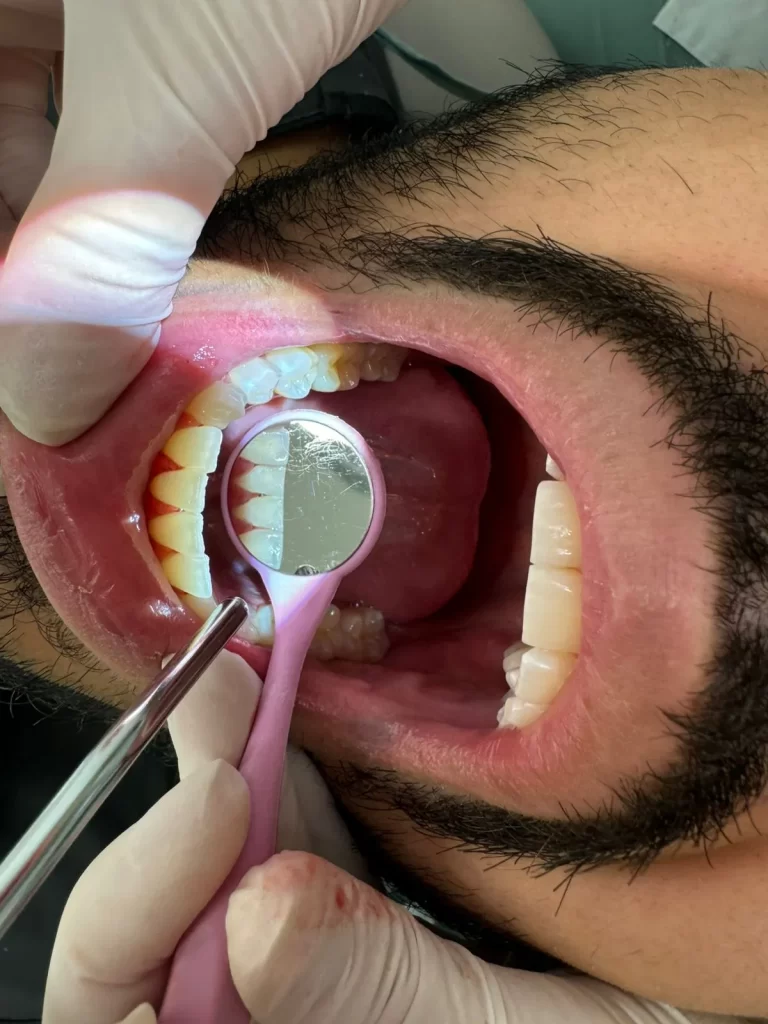
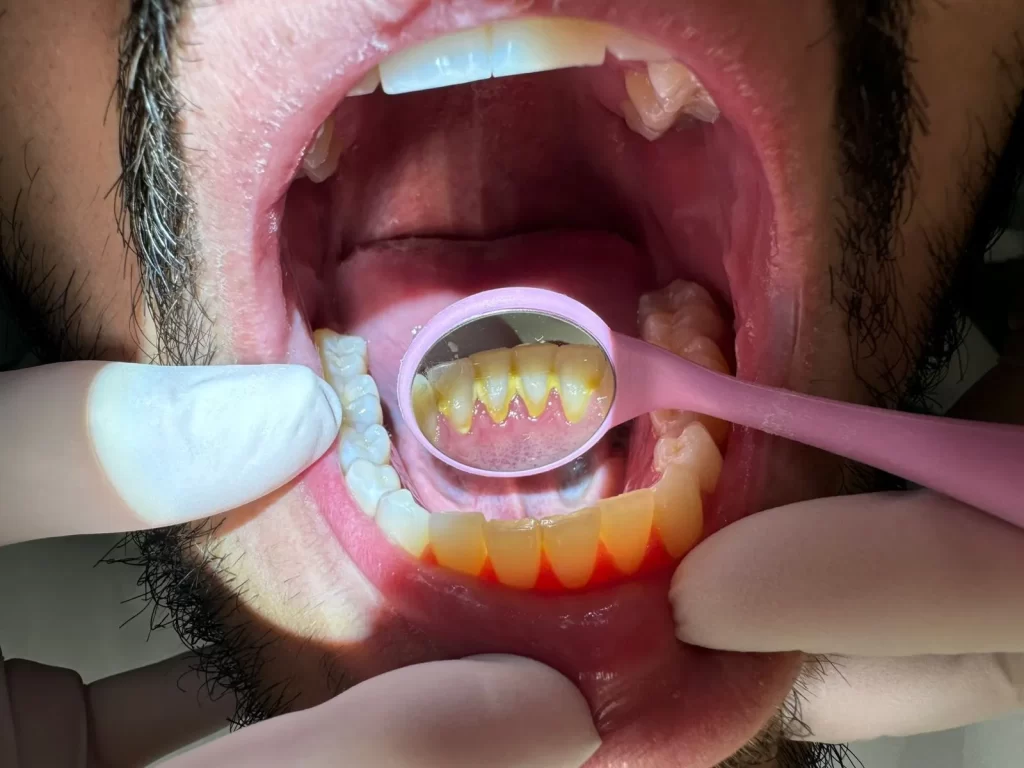
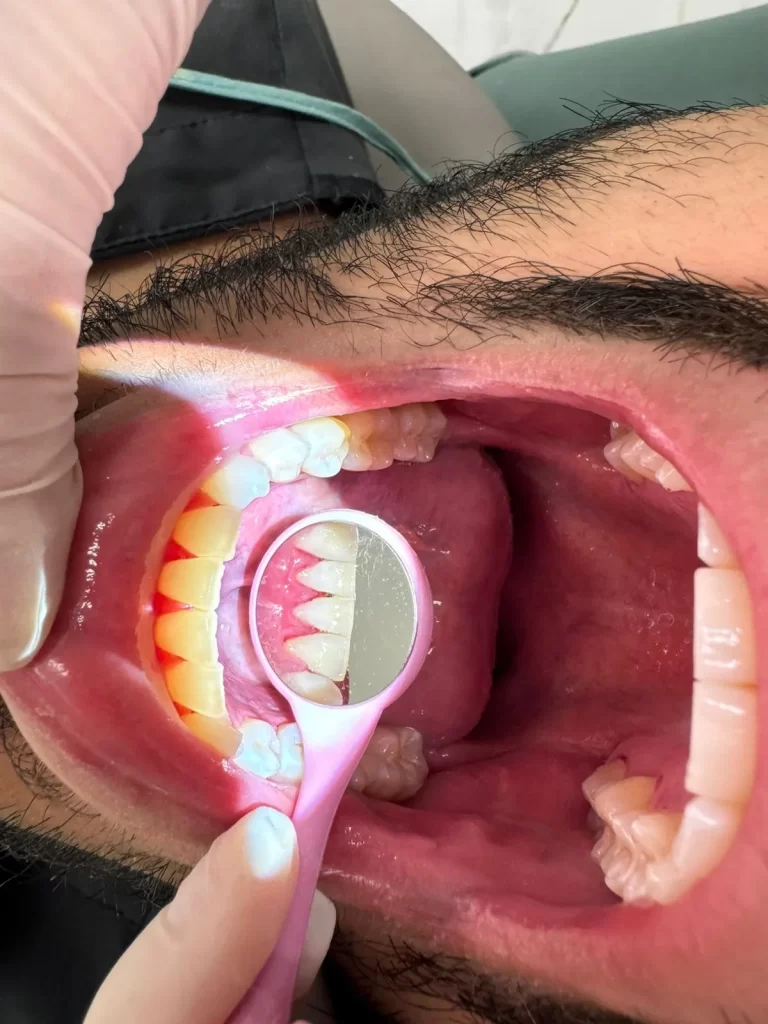
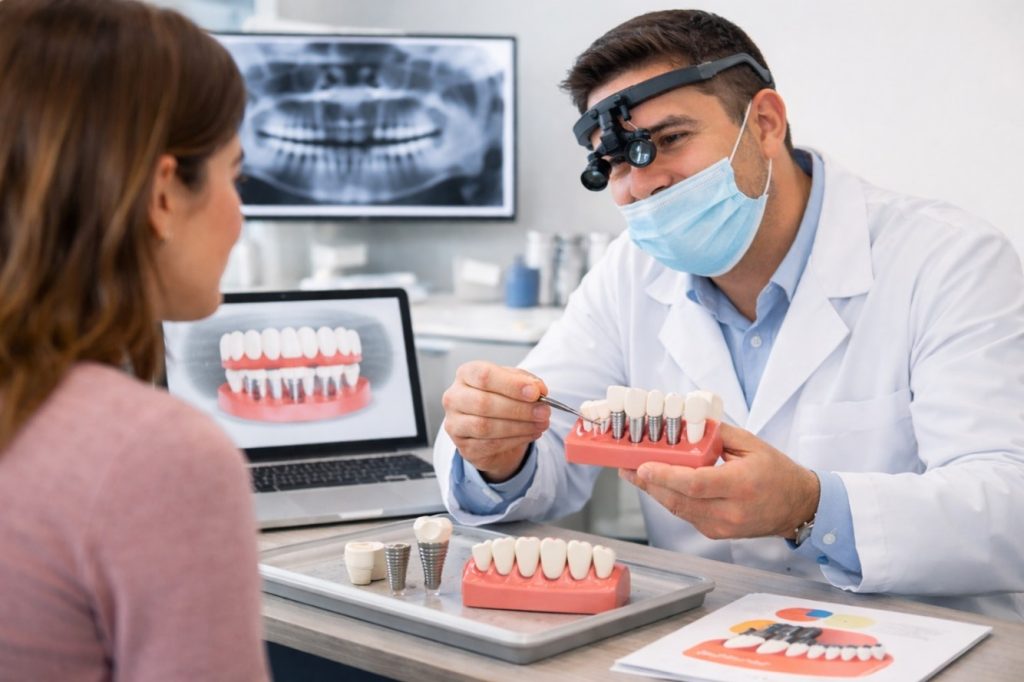
Having a healthy smile is not only about aesthetics, but also about health. A professional dental cleaning not only leaves your teeth brighter, but also prevents cavities, gum disease and other oral problems. While brushing and flossing are essential, there are areas you can’t fully reach. That’s where the importance of a professional teeth cleaning comes in. Schedule your appointment here.
Why is a professional dental cleaning important?
The accumulation of bacterial plaque and tartar on the teeth and gums can lead to serious problems such as:
Caries: Bacterial plaque produces acids that wear down tooth enamel, facilitating the appearance of cavities.
Gingivitis: Inflammation of the gums can progress to periodontitis if not treated in time.
Bad breath: Tartar and accumulated bacteria can generate persistent halitosis.
Stains on the teeth: Consuming coffee, tea, red wine or tobacco can pigment teeth. Cleaning helps reduce these stains.
In addition, during the cleaning, the dentist can detect signs of oral problems at an early stage, allowing early action and avoiding more complex and more costly treatments over time.
How often should you have your teeth professionally cleaned?
Specialists recommend a professional cleaning every three months. However, this frequency may vary depending on the individual’s oral health status.
Patients with healthy gums: Every 6 months is sufficient.
People with a tendency to form tartar or a history of periodontal disease: Every 3 or 4 months may be required.
Orthodontic patients: More frequent cleaning is recommended due to the accumulation of debris on brackets and wires.
What is the process of a professional dental cleaning like?
Oral evaluation: The dentist checks the condition of your teeth and gums.
Plaque and tartar removal: Specialized instruments are used to remove tartar accumulated on the teeth and under the gums.
A special paste is used to remove stains and soften the tooth surface.
Fluoridation (optional): In some cases, fluoride is applied to strengthen the enamel and prevent the appearance of cavities.
Personalized advice: The dentist will give you recommendations to improve your oral hygiene at home.
How to maintain good oral hygiene between cleanings?
A professional cleaning is key, but you should also maintain good daily habits to take care of your smile:
1 Brush your teeth at least twice a day with a fluoride toothpaste.
2 Use dental floss at least once a day
3 Avoid excessive sugary foods and acidic drinks that promote tooth decay and dental wear.
4 Avoid smoking, since tobacco affects the health of your gums, stains your teeth and many general diseases are reflected in your mouth and vice versa.
Conclusion
Professional teeth cleaning not only improves the appearance of your smile, but also prevents serious oral problems. By going to the dentist every six months, you will keep your teeth and gums healthy, avoid complications and save on future treatments.
Don’t wait any longer! Schedule your cleaning and show off a healthy and radiant smile.