Oral health in children depends not only on daily brushing, but also on early attention from a pediatric dentist. Good oral hygiene from an early age helps prevent cavities and tooth and gum disease, but it is also essential to ensure proper development of the facial bones, such as the maxilla and mandible.
In this article we tell you why children’s oral hygiene is so important, how to instill good habits at home and the importance of regular visits to the pediatric dentist to ensure not only a healthy smile, but also proper facial growth.
When to start oral hygiene in children?
Oral hygiene should begin at birth. Although babies do not yet have teeth, it is recommended to clean the gums with a wet gauze after each feeding. Once the first milk teeth erupt, brushing should be done with a small, soft-bristled brush, always supervised by an adult.
👉 In Olivo Odontología Especializada, we have advanced technology to provide accurate diagnoses in each checkup.
Choosing the right toothbrush and toothpaste
Using the right toothbrush is key. For the youngest, children’s toothbrushes with small brush heads and ergonomic handles are recommended. As for toothpaste, it should contain fluoride in age-appropriate amounts to prevent tooth decay, preventing children from ingesting it.
Importance of early visits to pediatric dentists
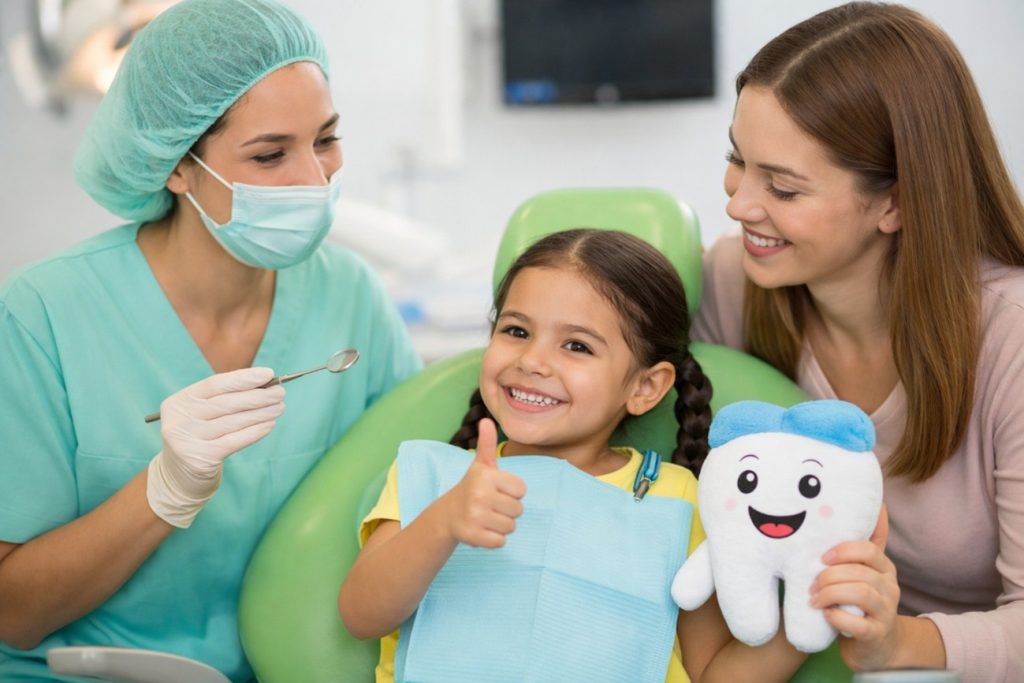
The first visit to the pediatric dentist should be made before the first year of life. These consultations not only serve to teach parents how to take care of their child’s mouth, but also to detect alterations in the bite and in the growth of the facial bones.
According to specialists in pediatric dentistry, “in many cases the facial bones do not grow properly and it is necessary to intervene with appliances that guide the development of the mandible and maxilla. This helps prevent malocclusion problems and facilitates correct chewing, breathing and speech functions.
Caries prevention: the role of daily habits
Caries is the most common oral disease in childhood. Brushing after every meal and controlling the consumption of sugars are effective measures to prevent it.
In addition, periodic check-ups allow the detection of any caries and its early treatment, avoiding major complications.
Healthy habits from an early age and caries prevention: the role of daily habits
Children learn by imitation. Therefore, parents should set an example by maintaining proper oral hygiene and transmitting the importance of taking care of teeth. Habits such as drinking water instead of sugary juices, chewing hard foods such as fruits and vegetables, and avoiding prolonged use of bottles contribute to better oral health.
Tips to help children enjoy brushing
Making brushing fun helps children adopt it as part of their routine. Some ideas include:
- Use colored brushes or brushes with animated characters.
- Singing songs while brushing.
- Set an hourglass or stopwatch to measure the appropriate time (2 minutes).
- Positively reinforce each achievement of the child.
Conclusion
Oral hygiene in children is much more than brushing teeth: it involves prevention, education and professional support. Visits to the pediatric dentist not only help to take care of teeth and gums, but also to monitor the correct development of the facial bones, which are fundamental for future function and esthetics.
👉 Remember: taking care of your children’s smiles from an early age is the gift of health, confidence and quality of life.