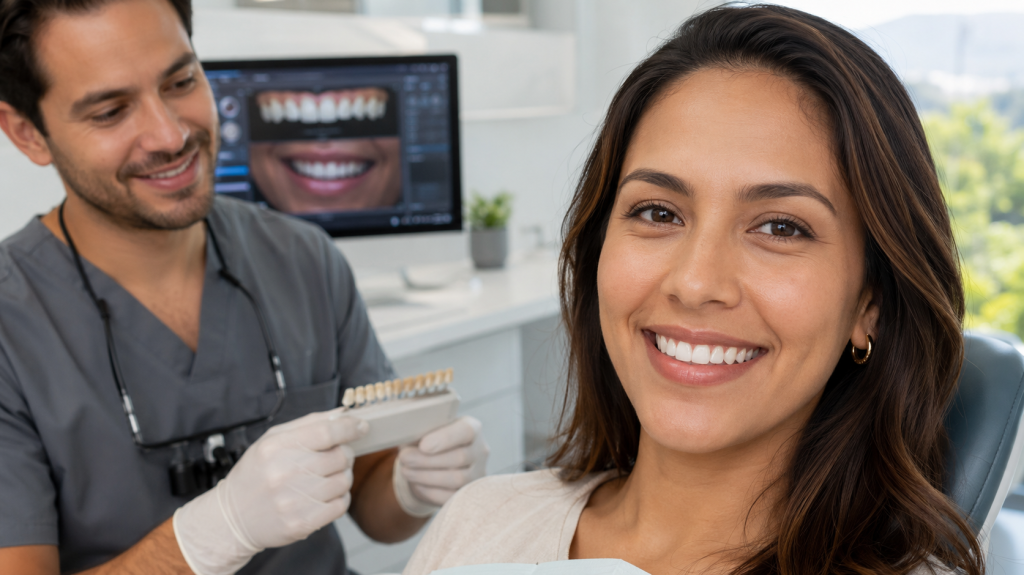
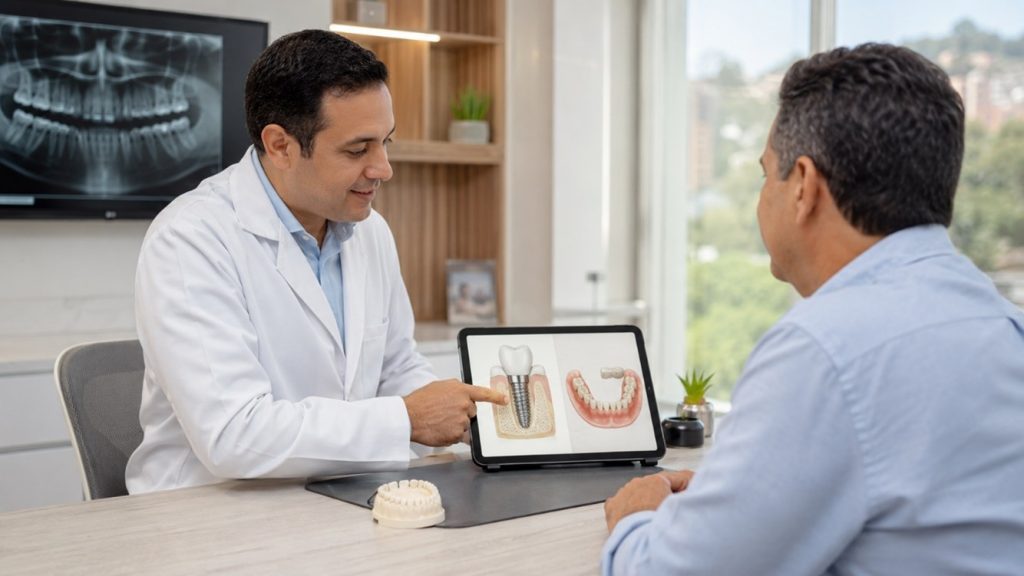
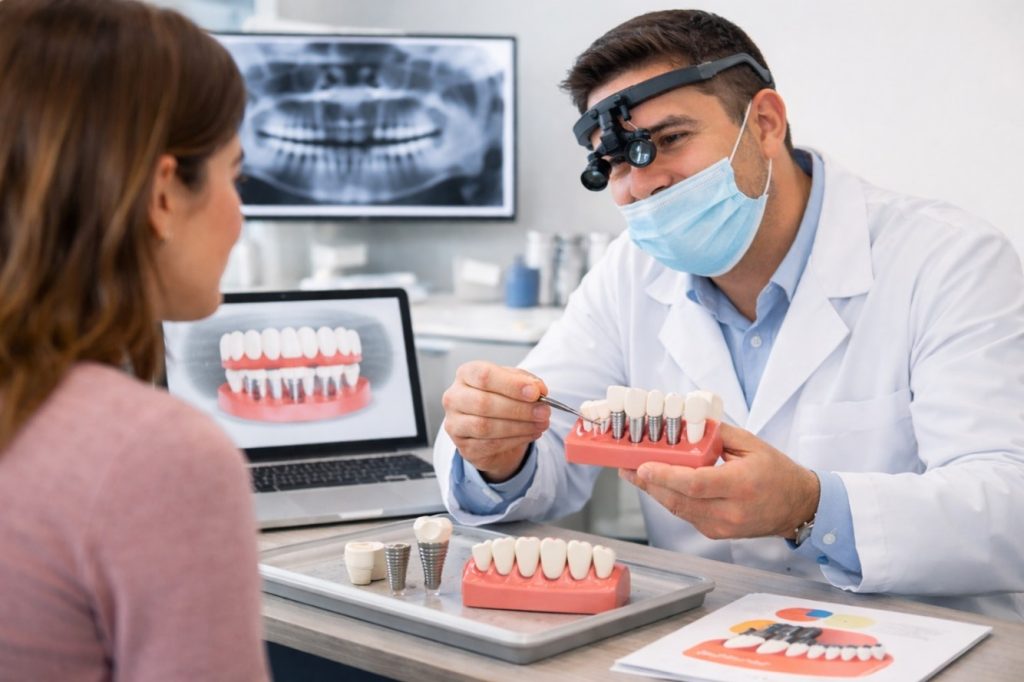
Smile design has changed. For years, many people associated cosmetic dentistry with extremely white teeth, identical shapes, and unnatural-looking results. Today, the trend is different: achieving a smile that is more harmonious, healthy, and consistent with each patient’s face, without losing its authenticity.
At Olivo Odontología, we understand that a beautiful smile doesn’t have to look artificial. A good aesthetic result should take into account the shape of the face, skin tone, age, personality, and, above all, oral health. That’s why the modern approach doesn’t aim to transform every patient in the same way, but rather to design smiles that look fresh, balanced, and natural.
If you’re thinking about improving your smile, the best approach is to start with a professional evaluation to determine exactly what treatment you need. At Olivo, you can schedule an appointment to receive personalized guidance and learn about options tailored to your specific situation—without any unnecessary procedures or over-treatment.
What Does a Natural Smile Design Mean?
A natural smile design is a cosmetic dental treatment that aims to improve the appearance of the teeth without drastically altering the patient’s facial expression. It’s not just about having whiter or straighter teeth, but about achieving a harmonious balance between the gums, lips, tooth proportions, and facial features.
The key is to understand that every smile has its own unique identity. That’s why, a well-executed smile design shouldn’t look like a repeated template, but rather as a subtle, personalized enhancement. The goal is for people to notice a healthier, brighter, and more aesthetically pleasing smile—without it looking forced.
This approach may include procedures such as teeth whitening, cosmetic resins, veneers, tooth contouring, orthodontics, or gum treatment, depending on the patient’s needs. Veneers, for example, are thin shells designed to improve the appearance of teeth with stains, fractures, irregular shapes, or gaps, but they must be prescribed and placed by professionals, as in many cases they are irreversible.
Why You Should Avoid Over-the-Top Smile Designs
Over-the-top smile designs are often characterized by teeth that are too white, disproportionate sizes, very square shapes, or results that don’t blend well with the face. Although they may attract attention at first, over time they can create an unnatural appearance and, in some cases, compromise dental health.
Cosmetic dentistry should not sacrifice healthy tooth structure for the sake of appearance. In some treatments, such as conventional veneers, it may be necessary to remove a small amount of enamel to ensure a proper fit and avoid a bulky or artificial-looking result. Therefore, treatment decisions must be made carefully and based on diagnosis, not on trends.
It’s also important to avoid unrealistic expectations. Not all patients need veneers, not all require drastic changes, and not all shades of white look good on everyone. A natural smile should brighten the face, not become the sole focus of attention.
In responsible cosmetic dentistry, the first step is not to choose “the whitest shade,” but to assess the patient’s oral health, bite, proportions, gums, habits, and goals. Only then can a safe, conservative, and sustainable cosmetic plan be developed.
Treatments That Help You Achieve a Balanced Smile
A natural-looking smile can be achieved through various options. In some cases, professional teeth whitening is enough to improve the shade of the teeth. In others, treatments such as composite fillings, veneers, orthodontics, or deep cleaning are combined to achieve a more comprehensive result.
Teeth whitening can be a useful option when a patient wants a brighter smile, but it must be performed by a professional. The ADA notes that whitening treatments can be effective, although temporary sensitivity and gum inflammation are common side effects.
Cosmetic resins are a conservative option for correcting minor wear, fractures, irregular edges, or slight gaps. Their advantage is that they allow for targeted adjustments without aggressively altering the tooth’s structure. However, they require maintenance and good oral hygiene habits.
Dental veneers may be recommended when there are abnormalities in shape, color, size, or texture that cannot be corrected with simpler treatments. A natural approach aims to ensure that the veneers have translucency, proportion, and color that match the patient’s natural teeth, avoiding the appearance of flat or excessively white teeth.
How to Personalize Your Dental Aesthetics Without Going Overboard
A natural smile design begins with a comprehensive evaluation. During this evaluation, the condition of the teeth, gums, bite, previous restorations, tooth color, and the patient’s expectations are assessed. This stage is essential because it helps determine what can be improved and what should be preserved.
Next, facial harmony is analyzed. The shape of the teeth should complement the shape of the face, the smile line, and the movement of the lips. For example, a very white smile with large teeth may look artificial on a person with soft features, while a more subtle design can produce a much more elegant result.
Naturalness lies in the details: subtly customized edges, shades with depth, balanced proportions, and a smooth transition between teeth and gums. An aesthetic result should not obscure the patient’s natural features, but rather highlight them in a healthy way.
At Olivo Odontología, this approach helps guide patients toward making informed decisions. If you have questions about which treatment is best for you, you can reach out to our team through the contact section and receive professional guidance.
Signs of a Good Smile Design
A good smile design isn’t measured solely by how white the teeth are. You can tell when the result looks clean, well-proportioned, comfortable, and in harmony with the facial expression. The smile should feel natural, not forced.
One positive sign is that the teeth don’t all look the same. Although they should be harmonious, natural teeth have slight differences in size, shape, and texture. When this variation is preserved, the result usually looks more natural and sophisticated.
Another important sign is that the treatment does not cause persistent discomfort. Some procedures can cause temporary sensitivity—especially teeth whitening—but any severe pain, prolonged sensitivity, or discomfort when biting should be evaluated by a dentist. The Mayo Clinic recommends consulting a dentist when you experience tooth sensitivity to identify or rule out causes such as cavities, fractures, wear, damaged restorations, or gum disease.
It is also essential that the patient be able to maintain their smile over time. Natural-looking dental restorations should be functional, hygienic, and easy to care for. A design that makes cleaning difficult, alters the bite, or requires very frequent maintenance may not be the best option.
Aftercare Following a Natural Smile Makeover
After cosmetic dental treatment, daily care is essential. Oral hygiene, proper flossing, regular checkups, and professional cleanings help preserve the color, shape, and health of your smile.
It’s also a good idea to limit your frequent consumption of coffee, dark-colored beverages, red wine, cigarettes, or highly pigmented foods, especially if you’ve had teeth whitening or cosmetic restorations. This doesn’t mean you have to avoid them entirely, but rather that you should adopt habits that reduce staining and wear.
For patients with bruxism or teeth clenching, the dentist may recommend a mouthguard. This precaution is important to prevent fractures, wear, or damage to veneers, composite restorations, or natural teeth. Aesthetics are better preserved when function is also protected.
Finally, it’s important to attend follow-up appointments. A natural-looking smile isn’t complete on the day of the procedure; it requires follow-up care to evaluate the gums, bite, color stability, and condition of the restorations. With professional guidance, the results can be maintained better and for longer.
Conclusion
A smile design without exaggeration is a more mindful approach to dental aesthetics. It does not seek to completely change the patient’s identity, but rather to enhance their smile through harmony, health, and naturalness.
At Olivo Odontología, our goal is to support you with a professional, caring, and responsible approach so that you can make confident decisions about your smile. If you’d like to find out which treatment is right for you, schedule a consultation and discover how to achieve a more attractive, balanced, and authentic smile.