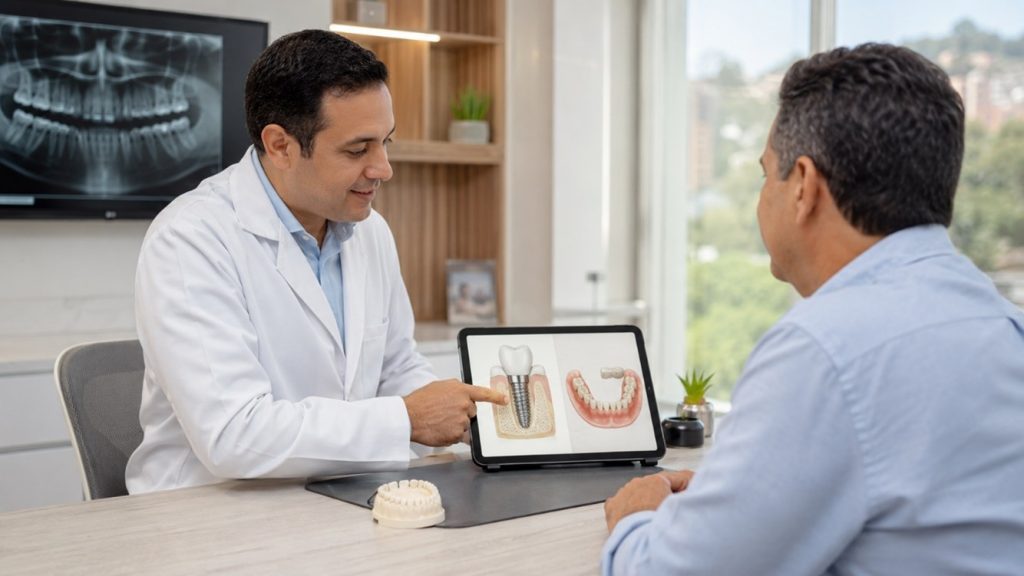
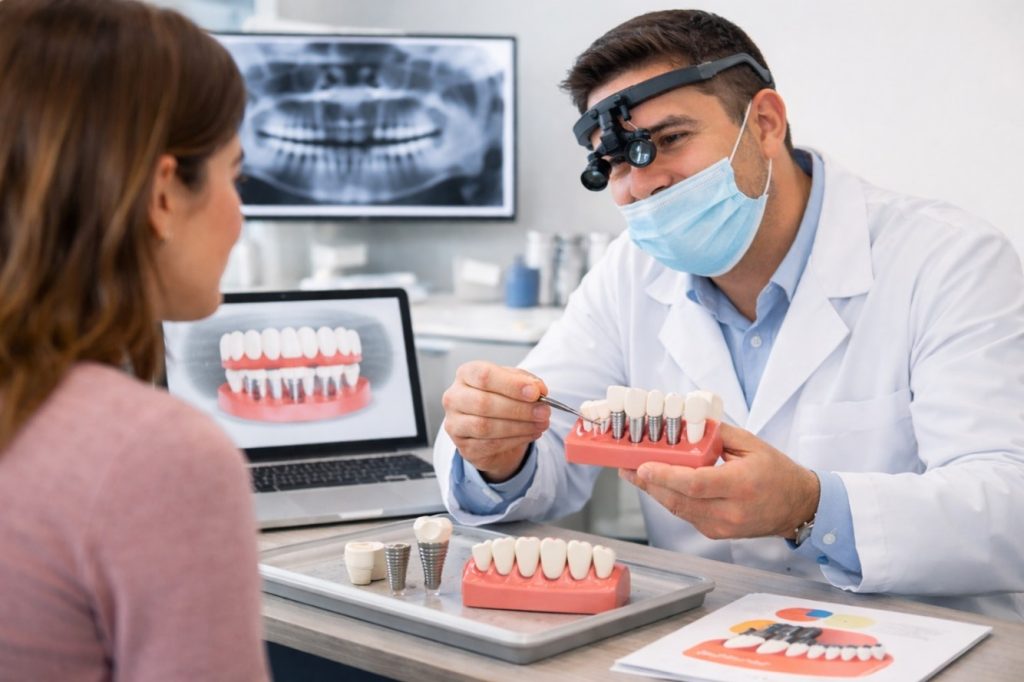
Dental implants have become one of the most reliable solutions to replace missing teeth, offering natural esthetics and functionality very close to that of a real tooth. However, before making this decision, it is important that you thoroughly understand what the treatment consists of, whether you are a good candidate and what care is involved. In Colombia, more and more people are having access to this type of procedure thanks to advanced dental technology and the growing offer of specialized clinics.
How do I know if I am a candidate for implants?
Not all patients who have lost one or more teeth can have implants placed immediately. The decision depends on several factors, including general health, bone density in the jaw, oral hygiene habits and the presence or absence of diseases such as periodontitis.
If you are a healthy person with no uncontrolled chronic diseases, do not smoke excessively and maintain good oral hygiene, you are probably an ideal candidate. However, if you have decompensated diabetes, are on immunosuppressive medications or have a history of bone loss in the jaw, your dentist may recommend pre-treatment before moving forward with the implant.
Step-by-step procedure
Dental implant treatment is not immediate, but is carried out in phases, which guarantees greater precision and long-term success.
It all begins with a clinical and radiological evaluation. At this stage, the professional examines your oral cavity and requests studies such as CT scans or panoramic X-rays to plan the surgery. Then comes the surgical phase, in which the implant (a titanium screw) is placed in the maxillary or mandibular bone. This procedure is usually performed under local anesthesia and, in some cases, with conscious sedation.
After surgery, the body needs time for the implant to integrate with the bone, a process known as osseointegration, which can take three to six months. Finally, the dental crown (the visible part) is placed, custom-designed to fit perfectly and look natural.
👉 Clinics such as Olivo Odontología offer a comprehensive accompaniment in all these stages, ensuring a safe and personalized experience.
Pre and post surgery recommendations
Before undergoing surgery, it is advisable to have a professional cleaning, avoid smoking and notify the dentist of any medications you are taking, especially anticoagulants.
Once the procedure has been performed, home care is key to avoid complications. During the first few days, it is suggested to apply cold compresses to the area to control inflammation, avoid hard or hot foods, and maintain rigorous oral hygiene without brushing directly on the wound. In addition, it is important to take the prescribed medications, such as analgesics or antibiotics, according to the professional’s instructions.
Avoid intense physical exercise, smoking and liquor consumption during the first week, as this may affect healing.
Risks and possible complications
Although dental implants are highly successful (with success rates above 95%), there are some risks that are worth knowing about. Among the most common are post-surgical infections, prolonged pain, bleeding or excessive swelling. In very rare cases, the body may reject the implant or the implant may loosen due to lack of bone integration.
In addition, if the procedure is not performed with proper planning, there is a risk of affecting nearby structures such as nerves or maxillary sinuses. Therefore, it is always recommended to go to clinics specialized in dental implants in Colombia, which have advanced diagnostic technology and trained personnel.
What is the durability of an implant?
One of the great advantages of dental implants is their high durability. Well cared for, they can last between 15 and 25 years, or even a lifetime.
For this to be possible, it is essential to maintain impeccable oral hygiene, attend regular check-ups with the dentist and avoid habits that compromise oral health, such as smoking or clenching the teeth (bruxism). Although the structure of the implant (the titanium screw) is very resistant, the crown (the esthetic part) may require replacement over the years, especially if it wears out or fractures.
Comparison: implant vs fixed prosthesis
When a tooth is lost, the two most common alternatives to replace it are dental implants and fixed prostheses. Although both options seek to restore function and esthetics, they present important differences.
The implant is placed directly into the bone, which avoids damaging neighboring teeth and provides a more natural appearance. It also helps preserve the bone where the tooth used to be. Its main disadvantage is the cost, which may be higher initially.
The fixed prosthesis, on the other hand, relies on the adjacent teeth, which must be worn down to receive crowns. Although it is more economical and the process is faster, it can compromise the health of the supporting teeth and requires more careful hygiene to avoid cavities or gum disease.
In conclusion, if you are looking for a long-term and minimally invasive solution, the implant is the most recommended option.
Schedule your appointment today and learn about the difference of painless dental care:
👉 Click here to contact us.